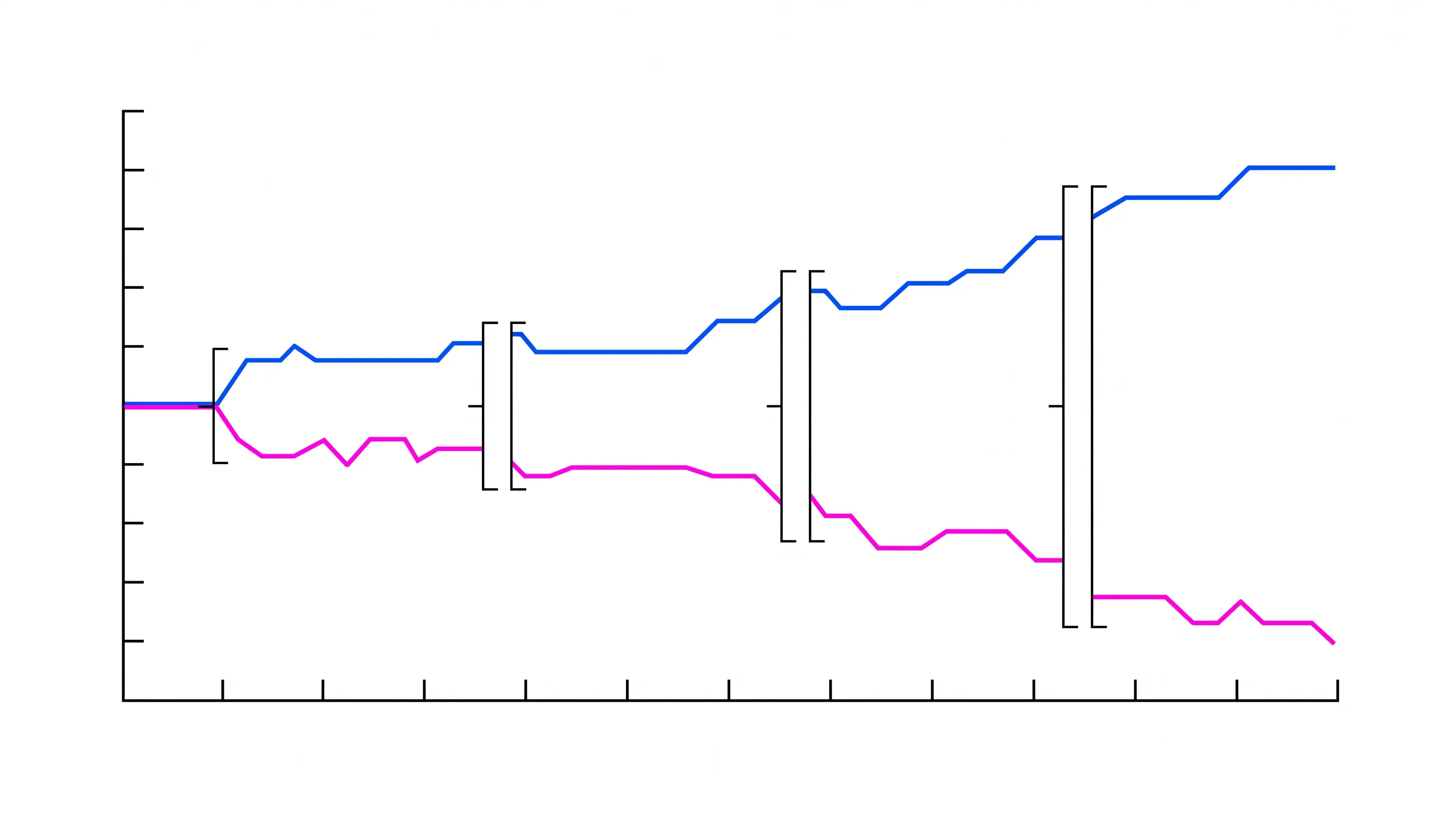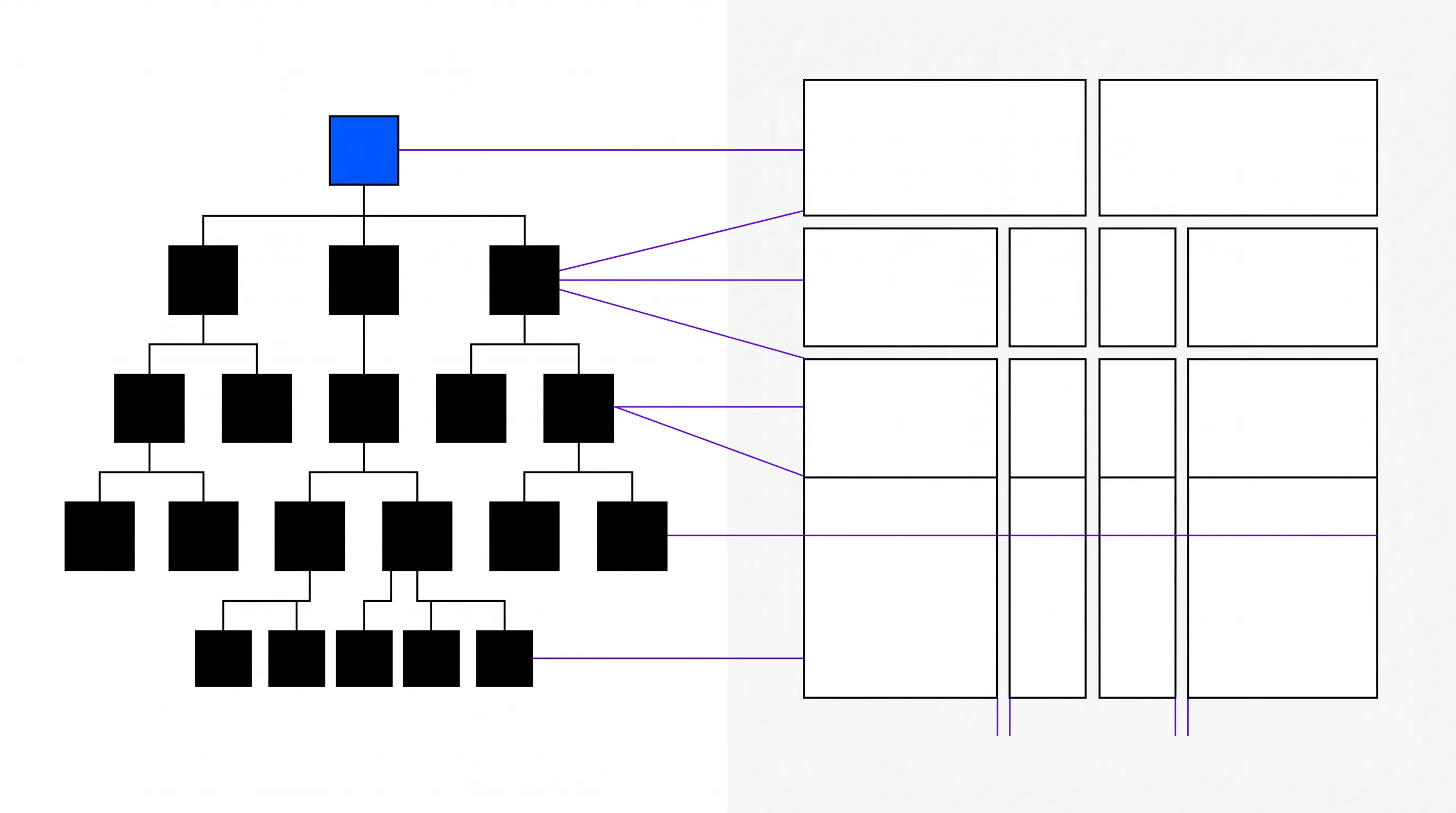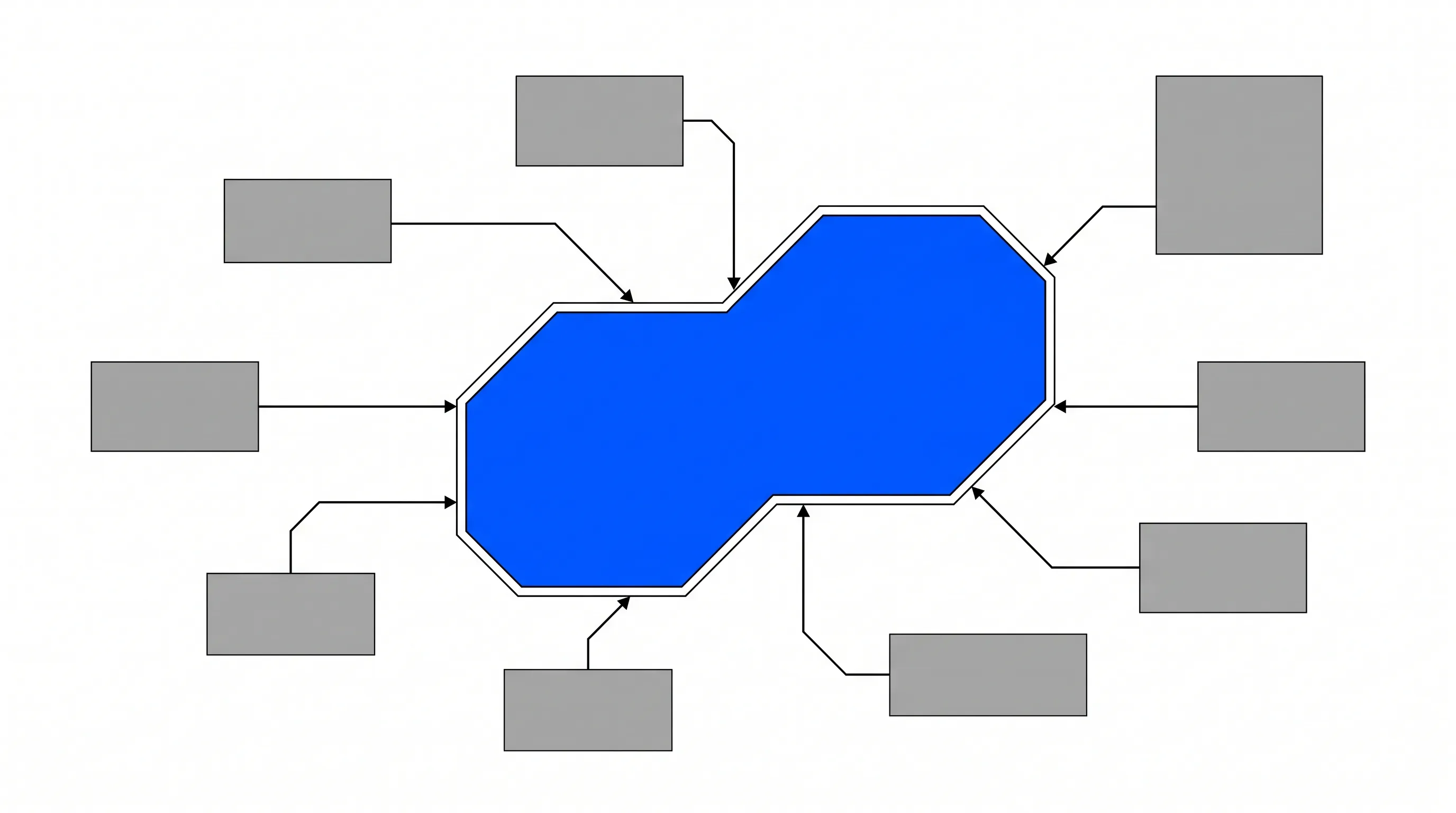
The claim that leads is the one that, if believed, makes the others easier to believe. Test each candidate on three things: what follows for free once the audience accepts it, what the company is facing right now, and whether you can support it in the next slide.
The pattern
Asked what leads, most management teams give three answers, and all three are reasonable. The platform, because it is the durable asset. The lead program, because it is the nearest value inflection. The team, because they have done it before.
Each has an internal constituency. So the materials lead with all three, which means they lead with none, and the first ninety seconds establish breadth and no argument.
Why it breaks
Most teams frame the question as “what is our strongest asset”. That question has no answer, because all three are strong.
The question to ask is which claim, if believed, makes the others easier to believe.
That is a structural property. A platform claim, once accepted, explains why there are four programs and why the fifth will arrive. A lead-program claim, once accepted, gives a reason to look at the platform that produced it. They are not interchangeable, and only one of them is load-bearing for a given company at a given moment.
What changes
Test each candidate claim against three things.
First, dependency. If the audience accepts this, what else follows for free? A claim that makes three other claims cheaper is a lead. A claim that stands alone is support.
Second, the moment. A Series B eighteen months from a readout and a company three weeks from data are not making the same argument, even with the same assets. What is in front of the company changes which claim is load-bearing.
Third, the evidence you can show. A lead claim has to survive the next question. If the strongest-sounding claim is the one you can least support in the following slide, it is not the lead.
Then write the claim as one sentence and make everything else answer to it.
The practical result
The order of the deck changes, and so does the homepage.
Claims that were competing become supporting. The platform stops being a parallel pitch and becomes the reason the lead program exists, or the reverse. The evidence reorganizes around one line of argument, and the appendix stops being a second deck.
The team also gets a shared answer to a question that generates many revision cycles. Should this go earlier? It goes earlier if it supports the lead. That is a decision anyone in the company can now make without another meeting.