Decks change under deadline, websites change when there is budget, so the two drift apart one revision at a time. Have both inherit from one written narrative with the same thesis. The ranked claims and the evidence are the same too. Density can differ between the two. The claims cannot.
The pattern
The website was built around the platform. The deck now leads with the lead program, because that is what the last twelve investor meetings wanted to talk about. The scientific figure on the science page shows three mechanisms; the deck shows one, redrawn by a different hand, with different colors and a different level of abstraction.
Nobody decided this. It happened one urgent revision at a time.
Why it breaks
The deck and the website have different owners and different revision cycles. They also face different pressures.
Whoever is presenting revises a deck under deadline, often the night before. The company revises a website when there is budget and someone to brief. So the deck tracks what the company is saying now, and the website tracks what the company was saying at its last redesign.
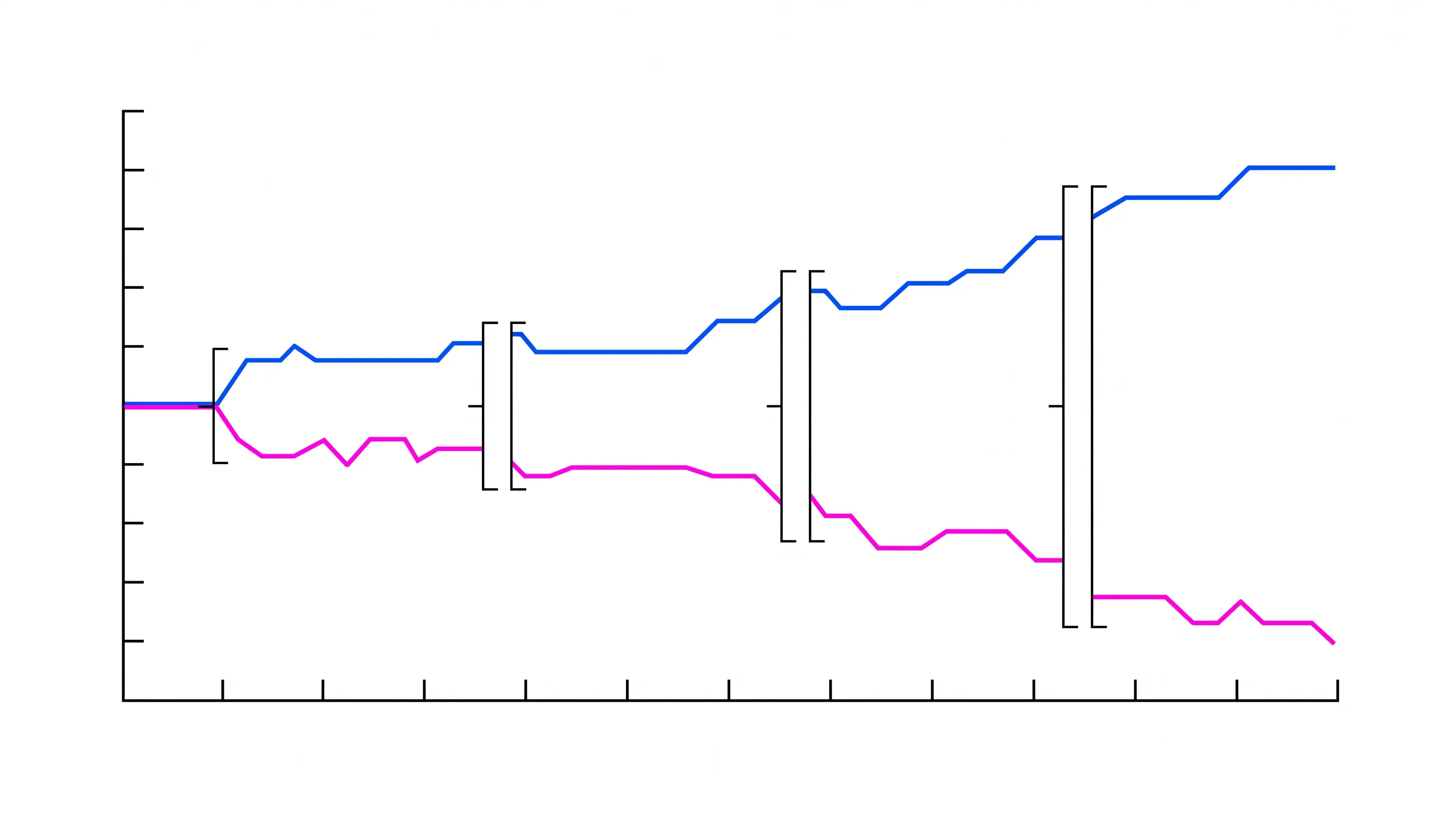
Each individual change is defensible. The accumulated distance is not. And nobody sees the accumulated distance, because nobody reads the deck and the website end to end in one sitting. The exception is the investor doing diligence, who reads the deck on Tuesday and the website on Wednesday.
What they notice is that the company does not appear to have settled what it is.
What changes
Both the deck and the website have to inherit from one structure, and neither references the other.
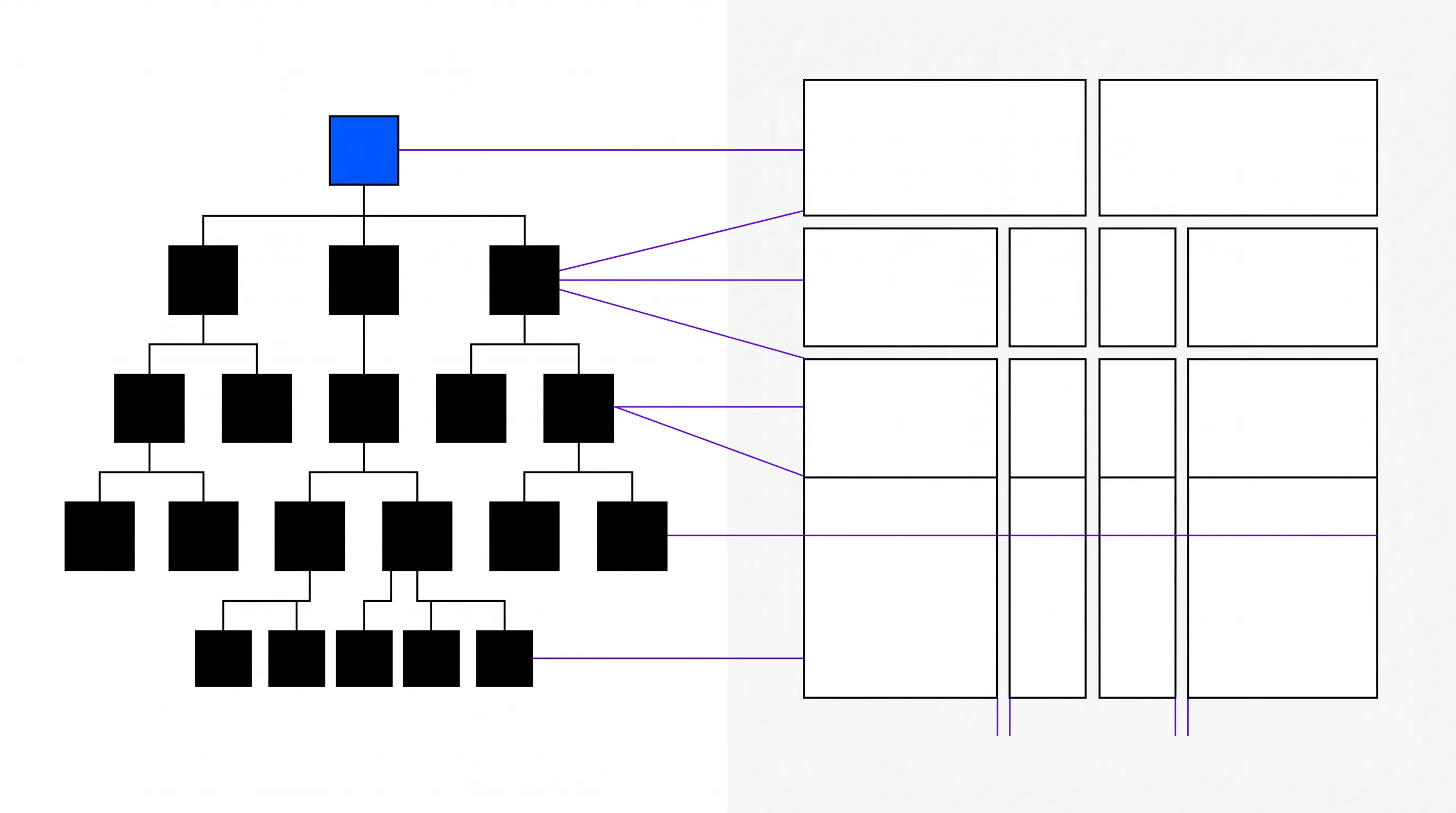
That structure is a written master narrative: the thesis, the ranked claims, the evidence, the sequence, and the scientific hierarchy underneath it. Each is then an expression of it at a different density, for a different use. A deck presented live carries less explanation because a presenter carries it. A website carries more, because nobody is standing beside the reader.
The same applies to the figures. One scientific visual system appears as a slide and as a web graphic. It also appears as a print figure. Three separate drawings of the same idea are a different thing.
The practical result
When the lead program takes over the story, the team makes that decision once, in the narrative, and both the deck and the website change because of it. The website is no longer a record of an older strategy.
Updates get faster, because the question “what does this change” has one answer instead of two.
And the moment that matters, an investor moving between a deck and a website and then a data room in the same week, stops producing the impression that three different companies wrote them.