In the biotech industry, investors judge innovation and credibility, and a strong brand identity tells them your company can lead its field. A logo and a color scheme are part of it. For early-stage biotech companies, a brand identity that investors respond to can be decisive in securing funding and building long-term relationships with investors.
Using brand identity to build trust and credibility
Investors want strong science. They also want a company that projects stability and professionalism, and they look for signs of market leadership. A well-crafted brand identity can communicate these qualities and make your company more attractive to potential investors.
1. Visual elements that convey innovation and stability
The visual components of your brand, which are logos, color schemes, and typography, shape how investors perceive your company. These elements should work together to convey innovation and stability. They should also convey credibility and align with the core values of your company.
-
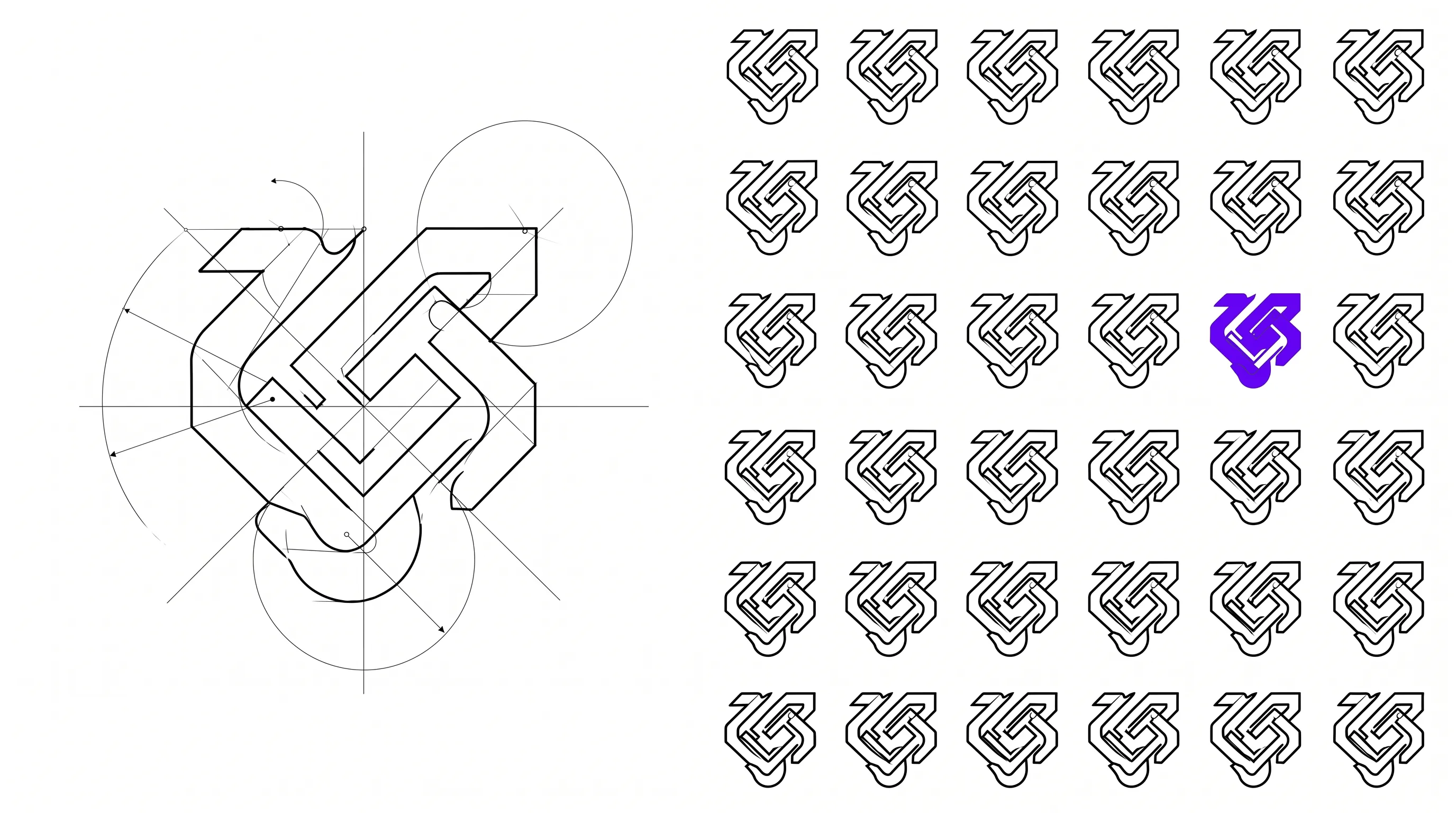
Logos. Investors often notice your logo early. It should be simple and memorable. It should also reflect your company’s mission. In the biotech space, logos that incorporate elements of science or technology can help show that your work is innovative. A logo that is too complex can be difficult to reproduce and may dilute your brand’s impact.
-
Color schemes. Color can influence how people perceive your brand. For biotech companies, color schemes that evoke trust and reliability are ideal, and so are schemes that suggest innovation. For example, blues and greens often suggest health and technology, while bold colors like red or orange can convey energy and innovation. Choose a palette that aligns with your brand’s message and stands out in a crowded market.
-
Typography. The fonts you choose for your brand can also convey important messages about your company’s character. Clean, modern typography can reflect a forward-thinking, innovative company, while more traditional fonts might suggest stability and reliability. Consistent typography across all branding materials is essential to a cohesive brand identity.
2. Researching competitors and rising above the crowd
Understanding how your competitors present themselves is critical. It lets you build a brand identity that fits within the biotech space and stands out. By researching competitors, you can identify common themes and trends, and then find ways to differentiate your brand.
-
Competitor analysis. Start by analyzing the brand identities of companies in your niche or those targeting similar investor profiles. Look at their logos, color schemes, and overall branding strategies. What messages are they trying to convey? Are there any gaps or weaknesses in their approach that you can use? For example, if most competitors use conservative color schemes, you might choose a brighter palette to signal bold innovation.
-
Differentiation. Once you’ve identified how competitors are positioning themselves, think about how your brand can rise above the crowd. This could involve adopting a more modern and dynamic logo or using unique color combinations that catch the eye. It could also involve typography that feels fresh and contemporary. The goal is a brand identity that fits within the industry and sets your company apart as a leader.
3. “Dress for the job you want” and positioning your brand for market leadership
The concept of “dressing for the job you want” applies directly to brand identity in biotech. Your brand should reflect where your company is now and where you aim to be in the future. If you want people to see your company as a market leader, your branding should reflect that ambition from day one.
-
Forward-thinking design. Add elements to your brand identity that suggest growth and scalability, and show a long-term vision. This could involve designing a logo that can evolve with your company or choosing a color scheme that remains relevant as your company expands. It could also involve adopting a brand voice that speaks to both current and future audiences.
-
Investor appeal. Investors are more likely to back a company that looks prepared for growth and success. A well-thought-out brand identity can make your company appear more established, even at an early stage, and can instill confidence in your ability to operate in the biotech industry.
Conclusion
A strong brand identity helps a biotech company attract and keep investor interest, and it raises the company’s visibility and credibility.
Venture Shape helps biotech companies build a brand identity that makes a lasting impression on investors.